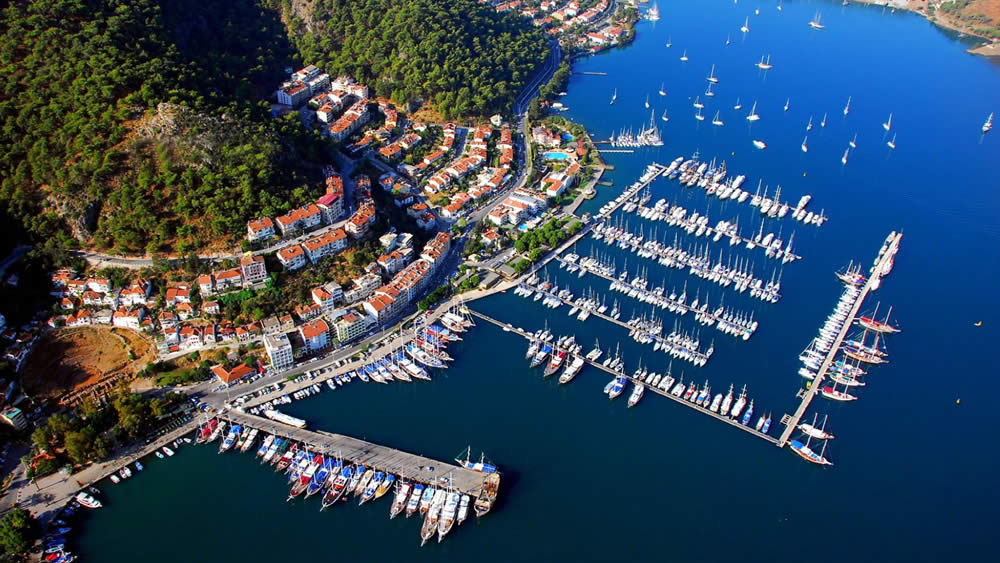
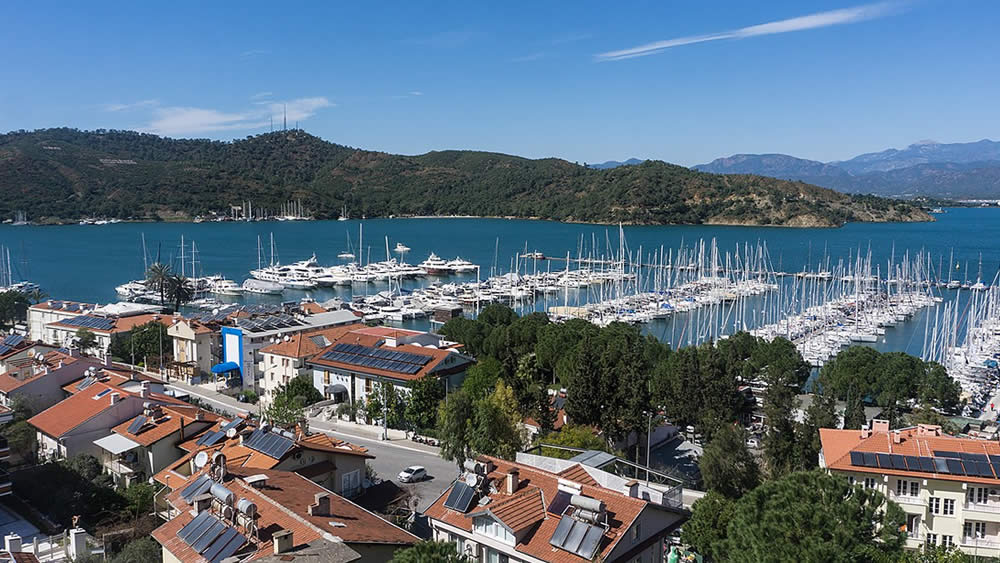
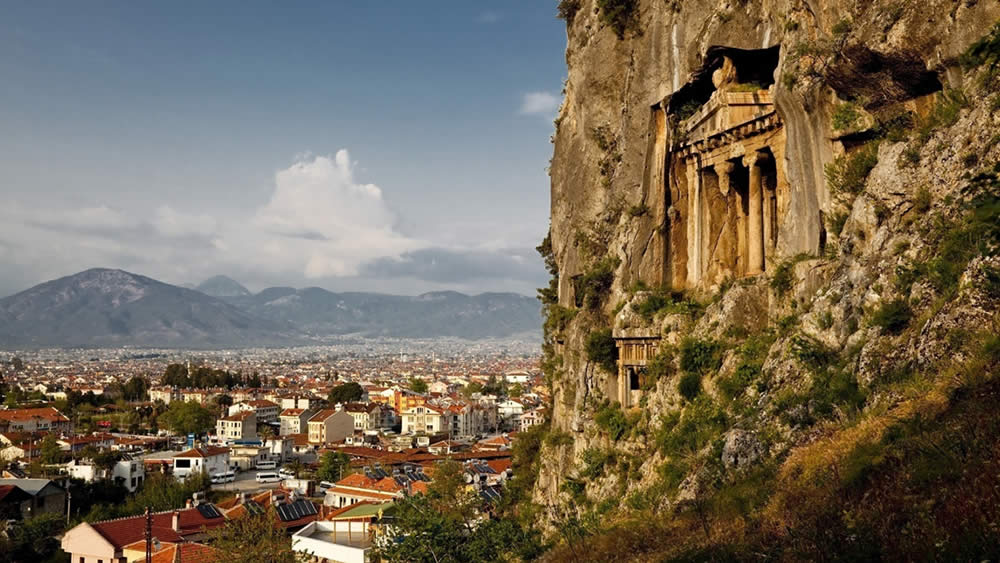
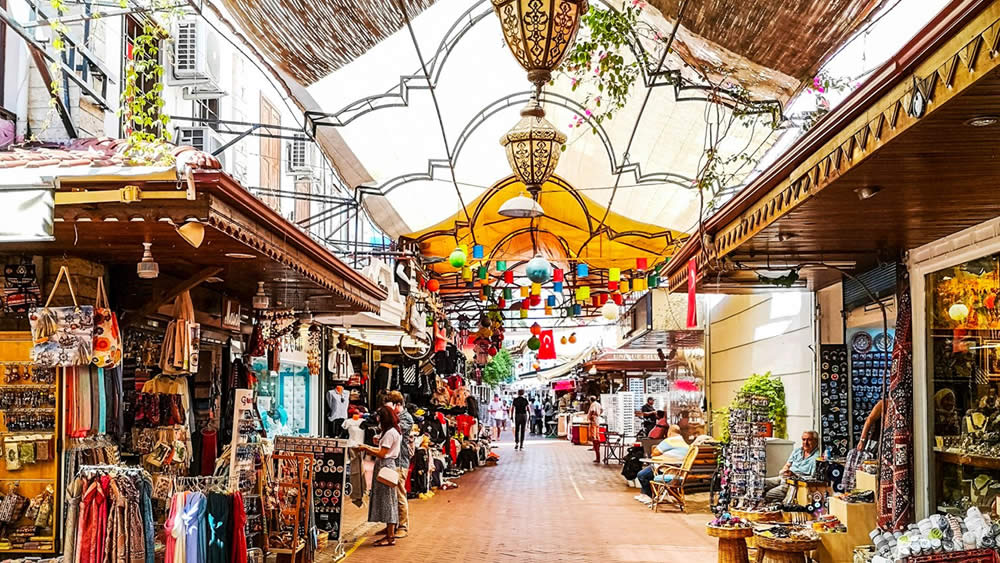
Fethiye is a holiday paradise located in a glamorous corner of Muğla. It is famous for its unique natural beauty and historical richness. The historical name of the city is known as Meğri and it is thought that this name derives from the Greek name “Makri”, which means “distant land”.
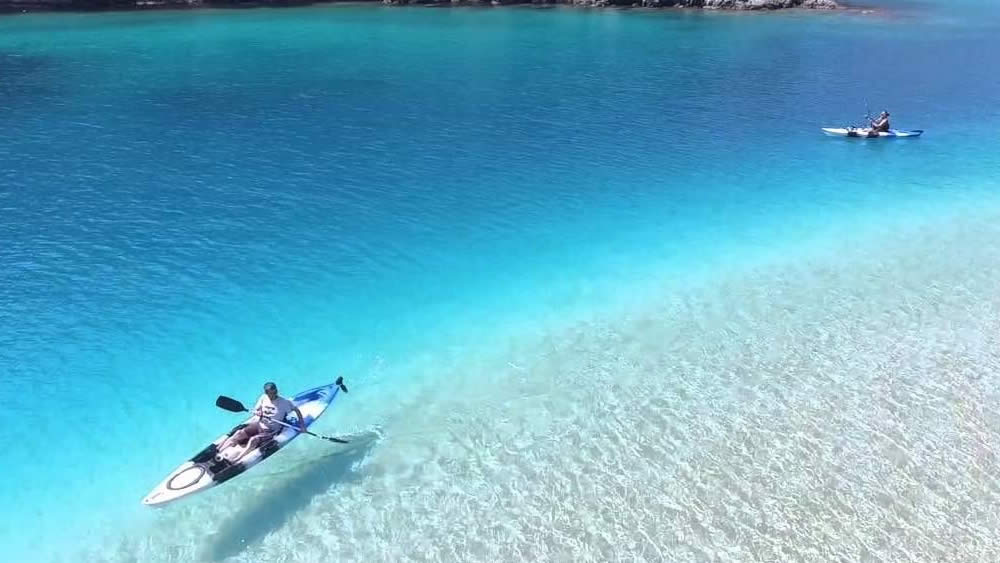
Fethiye, which is of great importance in terms of tourism, fascinates its visitors with its magnificent beaches, crystal clear sea and impressive historical buildings. Fethiye, the largest district of Muğla province, also has the largest surface area and settlement area, including the centre of Muğla.
You are invited to Fethiye to discover the fascinating atmosphere of the region and have an unforgettable holiday experience.
About Oludeniz Beach
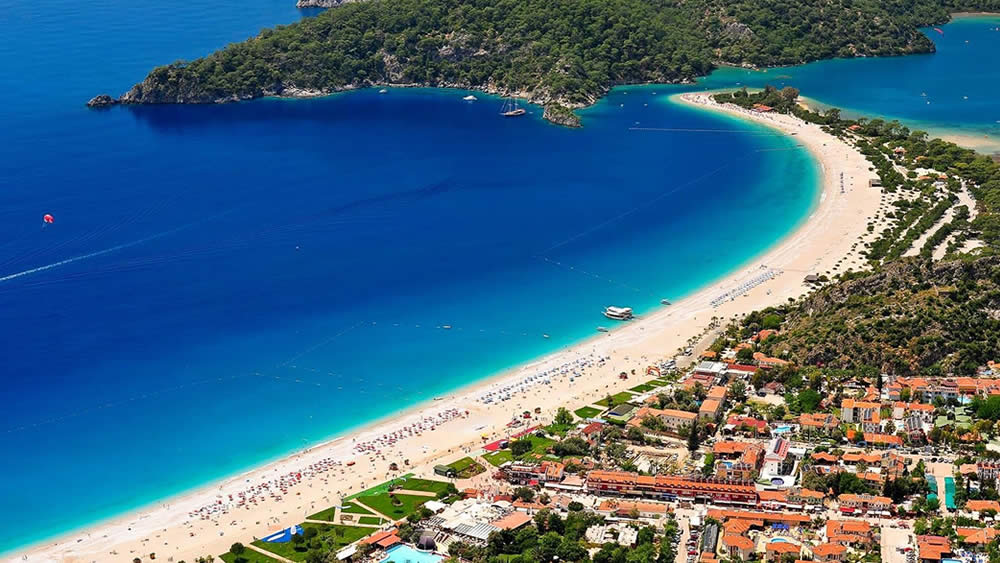
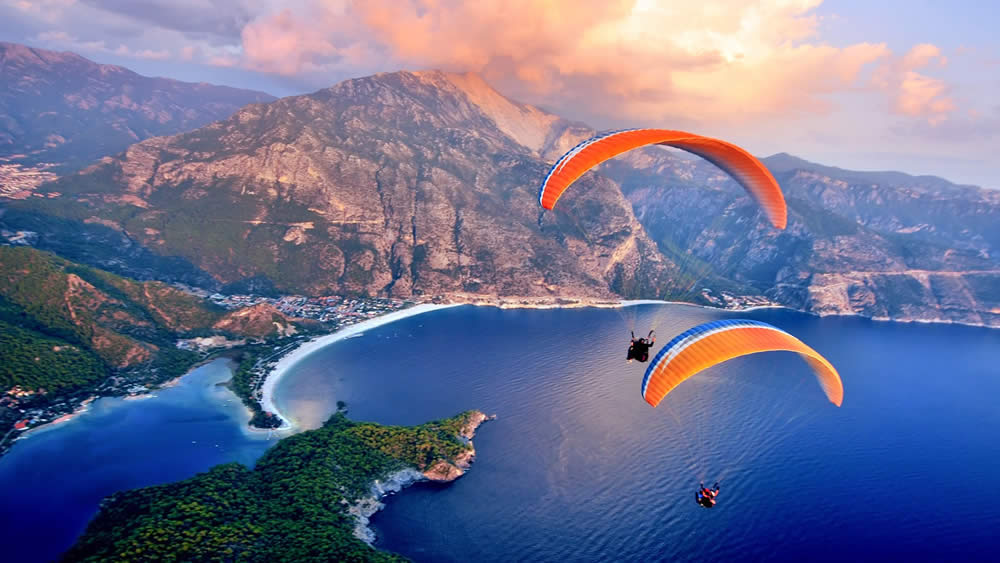
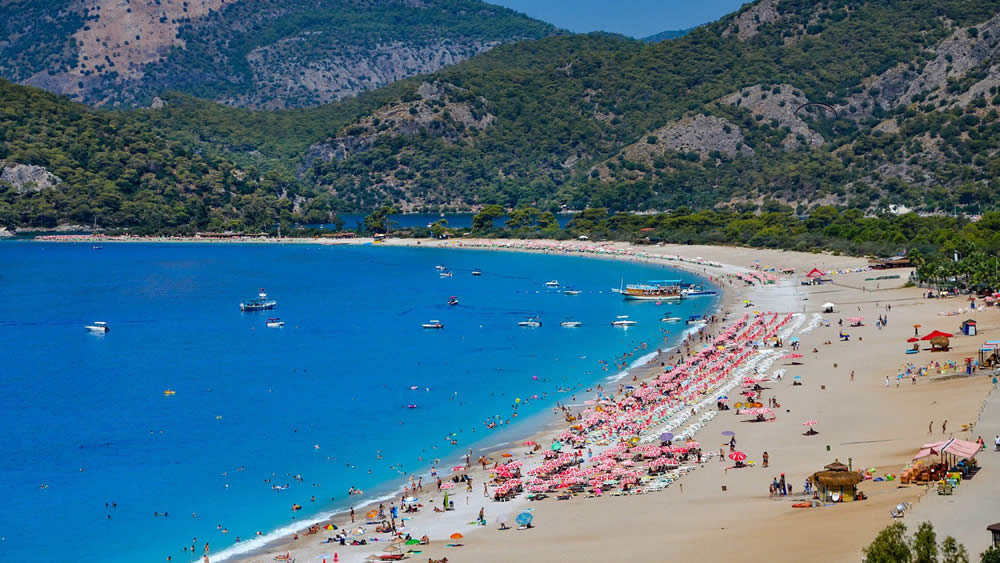
Oludeniz, located in Fethiye district of Muğla province, is a neighbourhood that fascinates those who see it with its unique beauty. Ölüdeniz beach was voted the most beautiful beach in the world in 2006, so it has gained worldwide fame.
The town has shown a great development in terms of tourism and was known as the “Far Land” in the Middle Ages, which was referred to as the land of light and sun in Lycians. It is located on the Teke Peninsula in south-western Anatolia and is famous for its natural beauty.
Oludeniz is one of Turkey’s abalone (lagoon) formations and one of the region’s most important natural attractions.
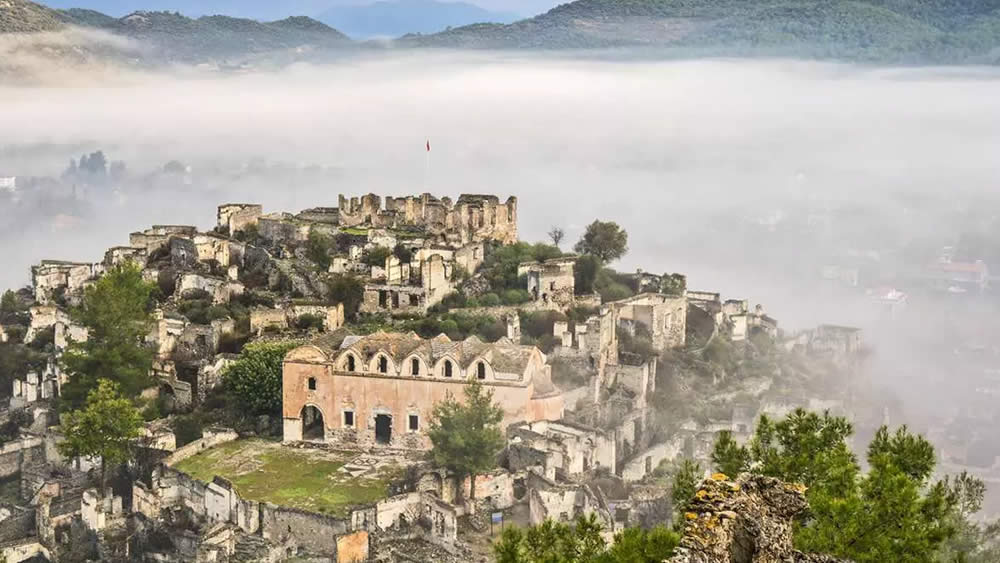
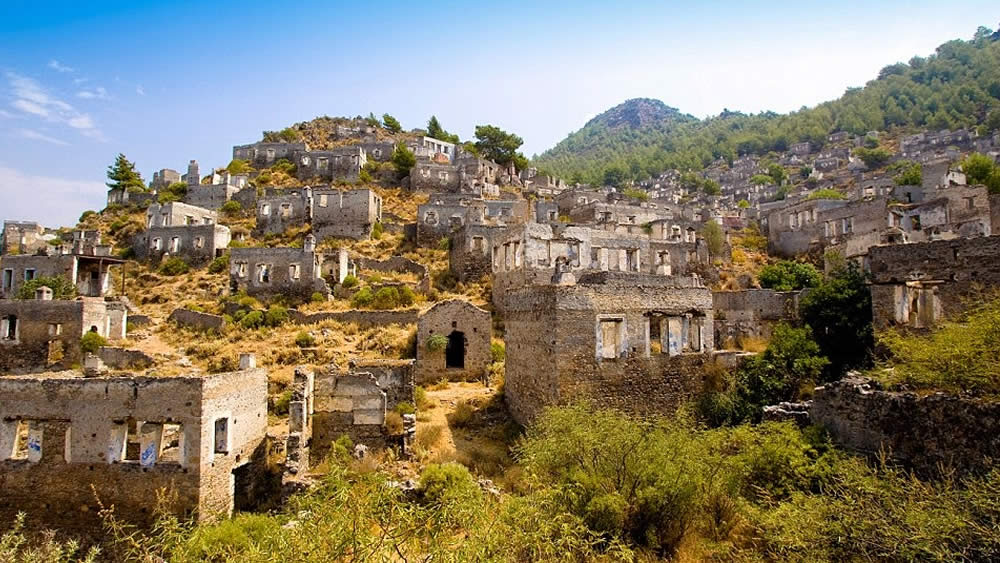
About Kayakoy (Ghost Town)
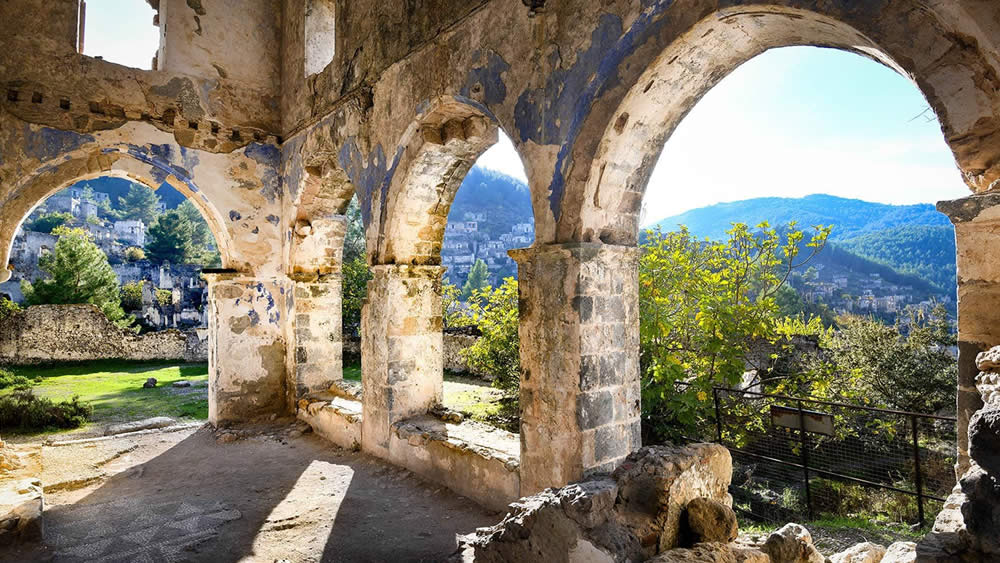
When you exit Fethiye to Hisarönü, you will head in the right direction through the pine trees towards Kayaköy. As you explore Kayakoy, you will come across narrow alleys, old stone houses, churches and chapels lined with pine, pomegranate and fig trees, all offering extraordinary historical views.
A Greek village of 3,500 houses before the War of Independence, Kayaköy was abandoned in the post-war migration. The Turks who came from the Balkans and settled here preferred the plain and the village fell into disrepair.
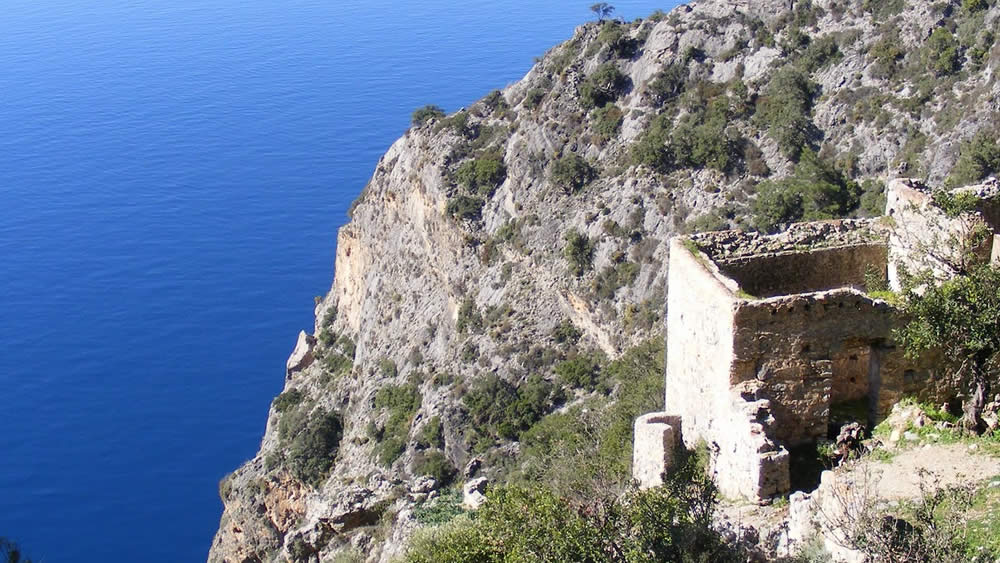
The ruins near the road to Kayaköy are believed to belong to the Temple of Apollo in Telmessos. On the hill behind the city are the ruins of the castle of the Knights of St John.